Best FPV Drones for Beginners in 2026: Top 5 Picks
Not sure where to start with FPV? We break down the 5 best beginner-friendly FPV drones available in 2026, from ready-to-fly quads to budget freestyle builds.
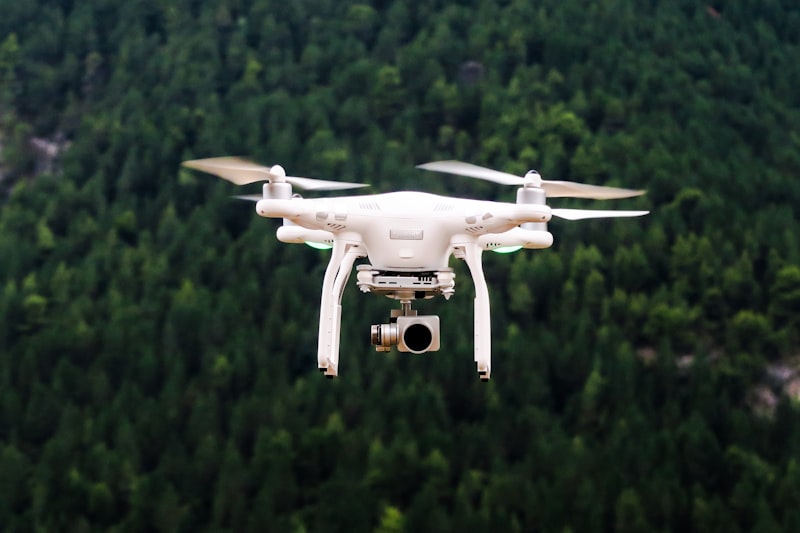
Getting into FPV in 2026 is easier than ever — but the market is flooded with options at every price point. This guide cuts through the noise and focuses on what actually matters for a beginner: durability, easy repair, good support community, and a clear upgrade path.
What you'll need beyond the drone: FPV goggles ($150–$300), a radio transmitter ($30–$100), and batteries + charger (~$50). Budget at least $300–$400 total to get flying properly.
Quick comparison
| Drone | Price | Best for | Skill level |
|---|---|---|---|
| BetaFPV Cetus X | ~$120 | First-ever quad | Complete beginner |
| iFlight Nazgul Evoque F5 | ~$200 | Freestyle outdoors | Beginner → intermediate |
| DJI Avata 2 | ~$750 | Cinematic FPV | Beginner wanting cinematic |
| GEPRC CineLog 35 | ~$180 | Cinewhoop / indoor | Beginner wanting smooth footage |
| Emax Tinyhawk 3 | ~$80 | Indoor micro practice | Total beginner, small budget |
1. BetaFPV Cetus X — Best starter kit
The Cetus X is specifically designed for people who have never flown FPV. It comes in a kit with a controller and basic goggles, has altitude hold and beginner stabilization modes, and is nearly indestructible at slow speeds.
BetaFPV Cetus X Kit
2. iFlight Nazgul Evoque F5 — Best outdoor freestyle
If you already have a radio transmitter (or are buying one separately), the Nazgul Evoque F5 is the best beginner-to-intermediate freestyle quad. It's tough, well-tuned from the factory, and has a huge community for support.
iFlight Nazgul Evoque F5 V2
3. DJI Avata 2 — Best for cinematic footage
Not a traditional FPV drone but the easiest way to get cinematic FPV footage. The Avata 2 has obstacle avoidance, built-in stabilization, and works with DJI Goggles 3 for an immersive experience without the steep learning curve of racing quads.
DJI Avata 2 (Fly More Combo)
What to buy first
Recommendation path:
- Zero experience, small budget → BetaFPV Cetus X Kit ($120) to learn, then upgrade
- Want real freestyle → Emax Tinyhawk 3 ($80) to practice indoors, then Nazgul Evoque F5 outdoors
- Want great footage immediately → DJI Avata 2 Fly More Combo ($750 all-in)
Whatever you choose, join the FPV community on Reddit (r/fpv) or RCGroups — you'll find help, tune tips and build logs for every quad on this list.
Frequently asked questions
Do I need a license to fly FPV drones? In the US, any drone over 0.55 lbs (250g) must be registered with the FAA, and recreational flyers need to pass the free TRUST safety test. Most beginner FPV drones under 250g (like micro whoops) are exempt from registration, but check current FAA rules for your specific drone's weight before flying.
How long does it realistically take to learn to fly FPV? Most pilots need 15–30 hours of simulator practice before their first real flights feel controlled rather than chaotic, and another 20–40 hours of real flying before Acro mode feels natural. It's closer to learning an instrument than learning to drive — expect weeks, not days.
Is it normal to crash a lot when starting out? Extremely normal — most new pilots crash dozens of times in their first month. It's exactly why this guide prioritizes durable, cheap-to-repair drones over expensive ones. Budget for spare props no matter which drone you pick.
What's the difference between "FPV" and a regular camera drone like a DJI Mini? A camera drone like the DJI Mini flies itself (GPS hold, auto-stabilization, return-to-home) and you mostly frame shots. An FPV drone gives you direct, real-time manual control through goggles — closer to piloting a small aircraft than operating a camera.